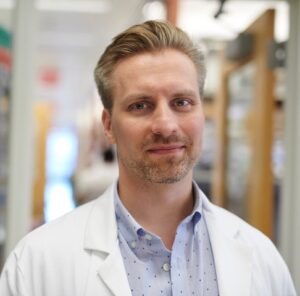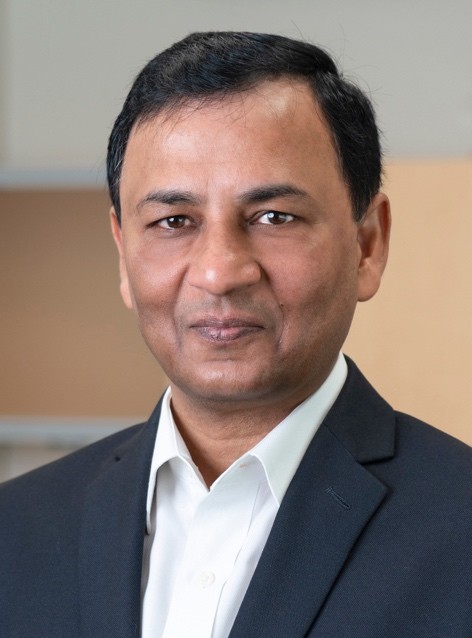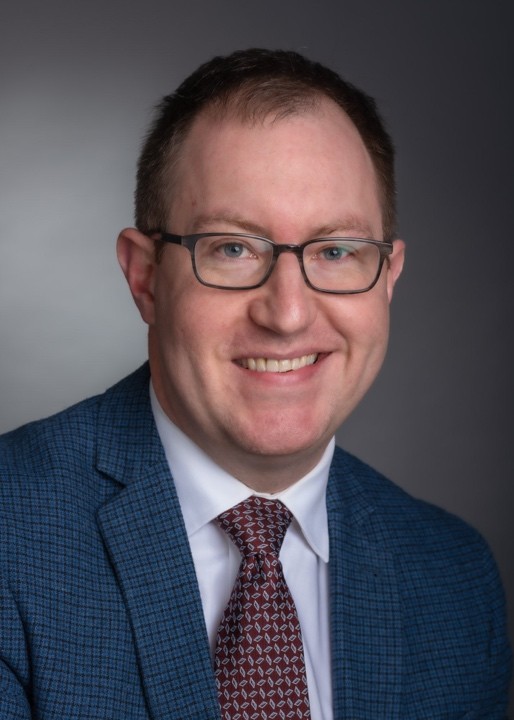
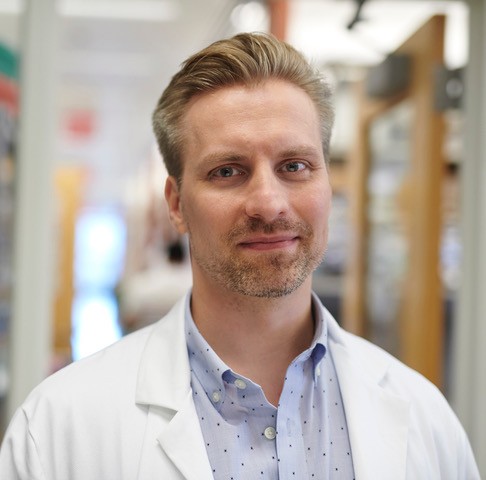
Tuomas Tammela, M.D., Ph.D.

Dr. Tammela received his M.D. and Ph.D. from the University of Helsinki, Finland, where he worked in the laboratory of Dr. Kari Alitalo, studying molecular mechanisms that control blood and lymphatic vessels growth. Dr. Tammela then moved to MIT for postdoctoral training with Dr. Tyler Jacks. During this time, he became interested in cellular heterogeneity in cancer and identified cancer-derived niches as drivers of stem-like cells in lung cancer. Dr. Tammela joined the faculty at Memorial Sloan Kettering Cancer Center in 2017 and is currently an Associate Member in the Cancer Biology & Genetics Program at the Sloan Kettering Institute. The Tammela Lab studies phenotypic heterogeneity and plasticity of cancer cells within tumors using genetically engineered mouse models, single cell approaches, tracing and ablation of distinct tumor cell lineages, CRISPR-mediated gene regulation, and advanced imaging techniques. The overarching goal of these efforts is to discover pathways that drive distinct cellular phenotypes and to develop new therapeutic concepts aimed at reducing cellular heterogeneity in pancreatic and lung cancers. In addition, emerging efforts in the Tammela laboratory focus on how aging and other changes in organismal physiology impact cancer evolution and tissue regenerative capacity. Dr. Tammela has received scholarships from the American Cancer Society, the Josie Robertson Foundation, the Rita Allen Foundation, and the V Foundation. He is a recipient of a Mark Foundation Emerging Leader Award, an NIH-NCI R37 MERIT Award, an AACR Next Generation Transformative Research Award, the AACR Trailblazer Award, the Boyer Award for Basic Science, and the Werner Risau Prize.
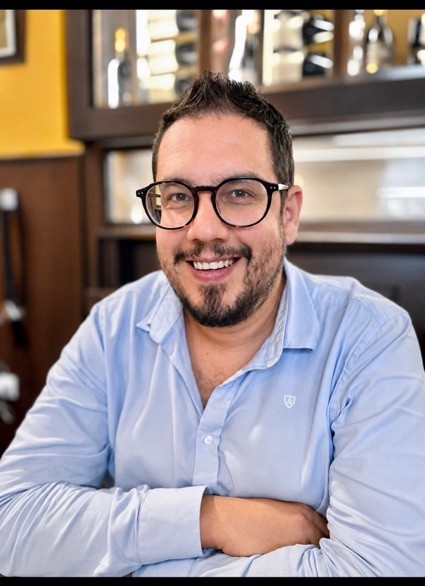
Cristian Prieto García, DVM, PhD

Dr. Cristian Prieto-García is a Junior Group Leader at the Instituto de Biomedicina de Sevilla (IBiS) and the Department of Cell Biology at the University of Seville. His research focuses on the therapeutic modulation of protein homeostasis to develop innovative treatments for cancer and age-related diseases. Cristian obtained his Veterinary medicine degree at the University of Cordoba and the University of Milan. During his degree he did a research internship at King’s college London, where he investigated the role of GSK-3 in craniofacial development. After the internship, Cristian studied a Master’s degree in Biochemistry, Molecular Biology and Biomedicine at the University Complutense of Madrid. He developed his Master’s thesis at the CNIO, his thesis was focused on  the function of KRAS at pre-neoplastic stages of Pancreatic Cancer. Then, Cristian finished his Ph.D. at Wuerzburg University. Under the supervision of Markus Diefenbacher, he revealed that USP28 deubiquitinates and stabilizes ΔNP63 to promote Squamous tumour formation. In June 2020, Cristian joined the group of Ivan Dikic as a Postdoctoral researcher to study the role of ubiquitination in cancer using mouse model. Together with Prof. Ivan Đikić, he co-developed the concept of proteotoxic RNA splicing, first described in Science (2024), and has made key contributions to understanding how protein quality-control pathways can be therapeutically targeted. His work spans cancer biology, RNA splicing, ubiquitin signaling, and targeted protein degradation, leading to high-impact publications, a filed European patent application, and the scientific co-founding of the translational research venture SpliceTACs Bio, alongside Dr. Xinlai Cheng, Prof. Ivan Đikić, and Mr. Daniel Schäfer. His research has been recognized with several international awards, including the RMU-FFQM Award for Pharmaceutical Research & Innovative Medical Therapies and the AEK Young Investigator Cancer Award, and is supported by prestigious competitive funding, including a Ramón y Cajal fellowship.

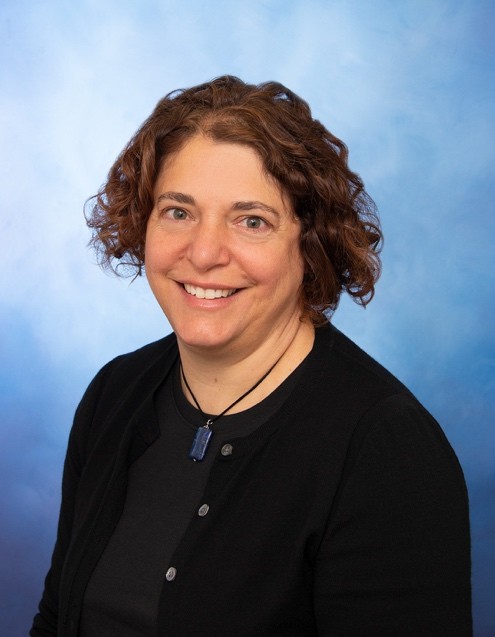
Marina Pasca di Magliano, PhD

Following undergraduate education at the “Federico II” University of Naples and graduate education at the Institute for Molecular Pathology in Vienna, Austria, Dr Pasca di Magliano moved to the US to pursue postdoctoral training in the laboratory of Dr Matthias Hebrok at the University of California, San Francisco, where she studies the role of embryonic signaling pathways in pancreatic cancer. Dr Pasca di Magliano was recruited to the University of Michigan in 2008.

Her independent laboratory generated a genetically engineered mouse model where oncogenic Kras, the hallmark mutation of pancreatic cancer, could be expressed in a tissue-specific, inducible and reversible manner, the iKras model.  The iKras model provided proof-of-principle of Kras dependence in advanced pancreatic cancer and revealed a non-autonomous role of oncogenic Kras in shaping the tumor microenvironment. 

More recently, the Pasca di Magliano laboratory incorporated bioinformatics approaches to  query the microenvironment of human pancreatic cancer samples, and published one of the early large scale single cell RNA sequencing studies on pancreatic cancer, as well as establishing a robust patient derived organoid programs. In collaboration with colleagues at the University of Michigan, her laboratory applied similar techniques to the normal pancreas, identifying widespread precursor lesions in the general population independently from age. Further, her team identified unexpected heterogeneity among precursor lesions. Her group is now investigating causes of early lesions progression to cancer, with the ultimate goal of preventing pancreatic cancer. Dr Pasca di Magliano’s work centers on collaborative team science bringing together basic scientists and clinicians, and her laboratory seeks to train the next generation of cancer researchers. 

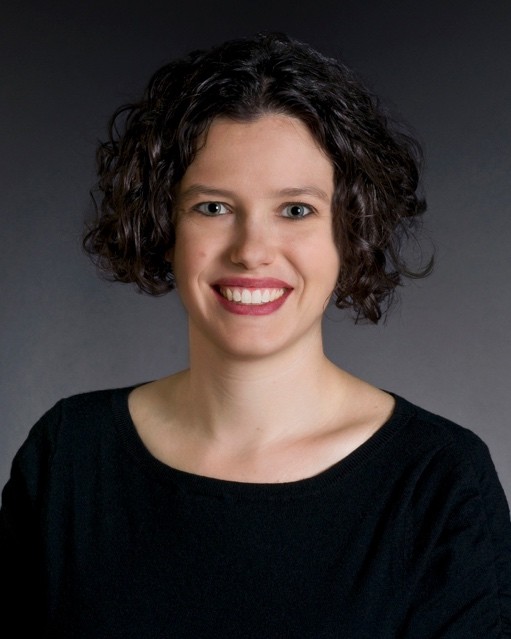
Laura D. Wood, MD, PhD

Laura D. Wood, MD, PhD is a Professor and Director of the Division of Gastrointestinal and Liver Pathology in the Department of Pathology at the Johns Hopkins University School of Medicine. She is also Co-Leader of the Cancer Invasion and Metastasis Program in the Sidney Kimmel Comprehensive Cancer Center and Deputy Director of the Sol Goldman Pancreatic Cancer Research Center. Dr. Wood received her BS in Biology from the College of William & Mary, graduating Summa Cum Laude with membership in Phi Beta Kappa. She then went on to earn both her MD and PhD from The Johns Hopkins University School of Medicine, with membership in Alpha Omega Alpha. She completed her PhD research in the laboratory of Dr. Bert Vogelstein, where she led the first whole exome sequencing studies in human cancers. Dr. Wood then went on to complete residency in Anatomic Pathology (serving as Chief Resident in her final year) and fellowship in Gastrointestinal and Liver Pathology at The Johns Hopkins Hospital. Now, she leads her own translational research laboratory focused on molecular characterization of pancreatic neoplasms. Her laboratory leverages next generation sequencing to characterize genetic heterogeneity and clonal evolution in precancerous pancreatic lesions. In addition, her group employs three-dimensional organoid culture models to interrogate the molecular drivers of pancreatic cancer invasion, and they are developing tools to transform human pancreatic pathology from two to three dimensions. In addition to her research program, Dr. Wood signs out clinical specimens on the Gastrointestinal Pathology service.

Liyuan (Liam) Ma, Ph.D.

Dr. Ma is currently an assistant professor in the Department of Pathology and Laboratory Medicine at UPenn and CHOP, focusing on immune engineering and immunotherapy of cancer. Dr. Ma developed the first-of-its-kind synthetic booster vaccine to enhance CAR T cell therapy for solid tumors. Dr. Ma has received several prestigious awards, including the NIAID New Innovators Award (DP2), the Distinguished Scientist Award from the Sontag Foundation, the Ivy Foundation Translational Adult Glioma Grant Award, the MRA Young Investigator Award, Tina’s Wish Team Science Award, and R01s.

Shohei Koide, Ph.D.

Shohei Koide, Ph.D. is Professor of Biochemistry and Molecular Pharmacology at NYU Grossman School of Medicine, and Director of Cancer Biologics at Perlmutter Cancer Center at NYU Langone Health. His expertise includes protein engineering and design, drug discovery, mechanistic biochemistry and cell signaling. He applies biotechnology innovations to developing novel biologic therapeutics. Previously, he was Professor at the University of Chicago and at University of Rochester School of Medicine and Dentistry. He is an elected fellow of the American Association for the Advancement of Science and of the National Academy of Inventors.

Agnieszka K. Witkiewicz, MD

Witkiewicz, MD is Director of the Advanced Tissue Imaging Resource and a physician-scientist at Roswell Park Comprehensive Cancer Center. Her work focuses on defining the molecular and cellular mechanisms that drive pancreatic cancer development, progression, and therapeutic response. Dr. Witkiewicz has been a leader in the development and characterization of patient-derived pancreatic cancer models and has extensively studied KRAS-driven disease, tumor heterogeneity, and interactions between cancer cells and the tumor microenvironment. Through close integration of pathology, genomics, and translational science, her research seeks to identify biomarkers of response and develop more effective treatment strategies for patients with pancreatic cancer. 

Erik S. Knudsen, PhD

Erik S. Knudsen, PhD is Associate Director for Basic Science Research at Roswell Park Comprehensive Cancer Center.  Dr. Knudsen is a cancer biologist whose research focuses on cell cycle control, therapeutic response, and mechanisms of drug resistance in cancer. In pancreatic cancer, his laboratory has lead studies examining how the cell cycle can be targeted to reprogram the tumor and limit the evolution of therapy resistance.

Ajay Goel, PhD

Ajay Goel, Ph.D., AGAF, is the Founding Chair of the Department of Molecular Diagnostics and Experimental Therapeutics, Founding Director of Biotech Innovations at City of Hope’s Beckman Research Institute, and Associate Director of Basic Science for the Comprehensive Cancer Center. An internationally recognized leader in cancer diagnostics and precision oncology, his research is dedicated to developing noninvasive blood-based technologies for the early detection of gastrointestinal and other cancers, while advancing genomic-driven approaches to precision medicine. Dr. Goel has authored more than 450 peer-reviewed publications, holds over 50 international patents, and is committed to translating scientific discoveries into innovative diagnostics and therapies that improve cancer prevention, early detection, and patient outcomes.

William Freed-Pastor, MD, PhD

William Freed-Pastor, MD, PhD, is a medical oncologist and physician-scientist at Dana-Farber Cancer Institute, specializing in gastrointestinal oncology and immuno-oncology. He is an investigator within the Division of Molecular and Cellular Oncology and the Hale Family Center for Pancreatic Cancer Research. He is an Assistant Professor of Medicine at Harvard Medical School and Associate Member at the Broad Institute. Through sophisticated preclinical and patient-derived models, CRISPR-based in vivo genetic engineering, T-cell receptor discovery, and empirical antigen discovery, the Freed-Pastor laboratory is focused on dissecting the mechanisms of immune escape and tumor-immune crosstalk in pancreatic cancer, with the overarching goal of using these insights to guide therapeutic advances for cancer patients.

Dr. Freed-Pastor has been a Young Investigator on the Stand Up To Cancer (SU2C)-Lustgarten Foundation Pancreatic Cancer Interception Dream Team and he was awarded the SU2C Golden Arrow Early Career Scientist Award, Burroughs Wellcome Career Award for Medical Scientists, SU2C Sharp Award, ASCO Young Investigator Award, PanCAN Career Development Award, SU2C Nina Nicolai Innovation in Collaboration Award, V Foundation Translational Award, Yosemite-American Cancer Society Award, an ASCI Young Physician-Scientist Award, and an AACR NextGen Star Award. Dr. Freed-Pastor is a member of a CRUK/NCI Cancer Grand Challenges team (Team ILLUMINE) to uncover the mechanistic basis underlying translation of the Cancer Dark Proteome and to develop immune-based therapeutic strategies for cancer patients.