
By: SGPCRI
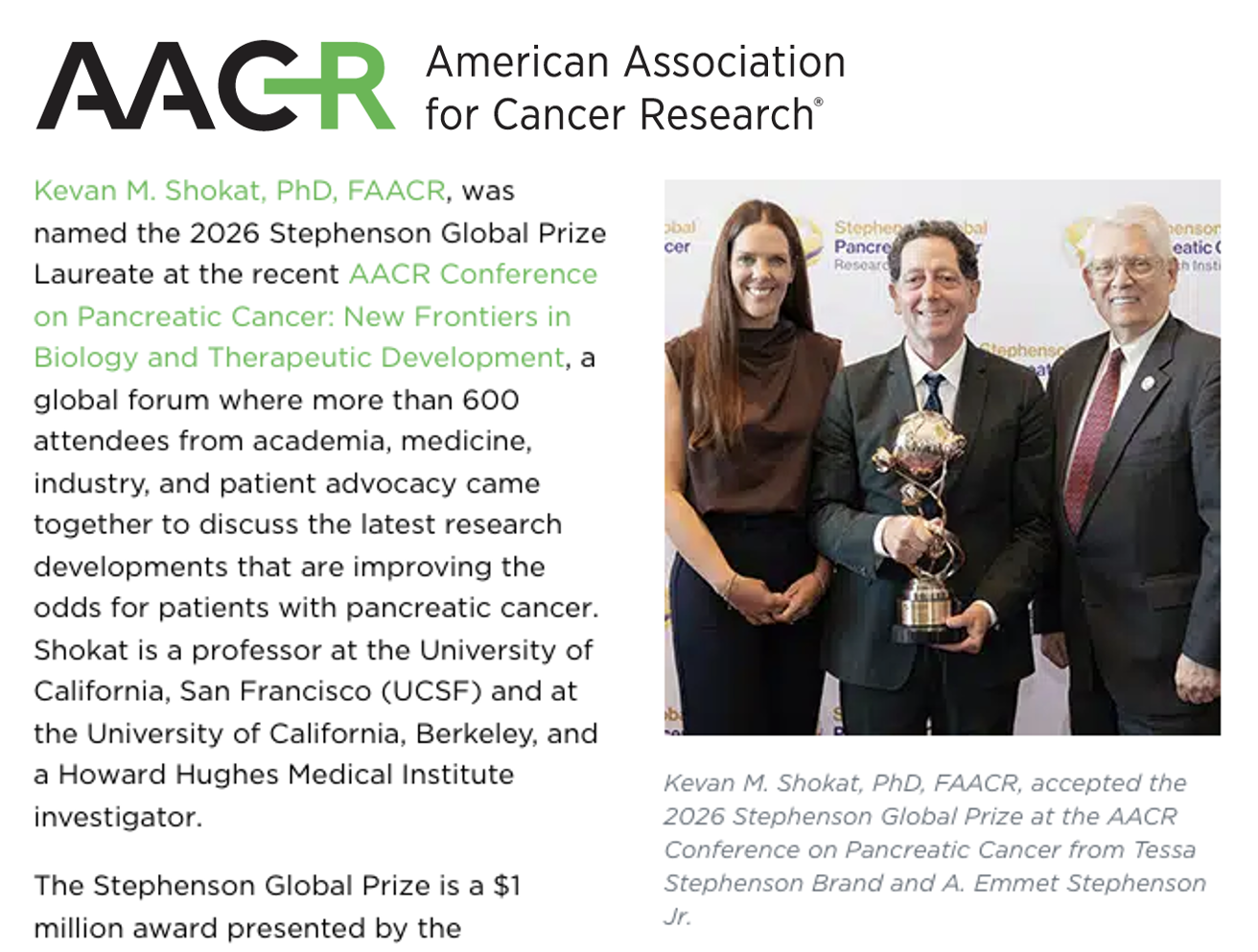
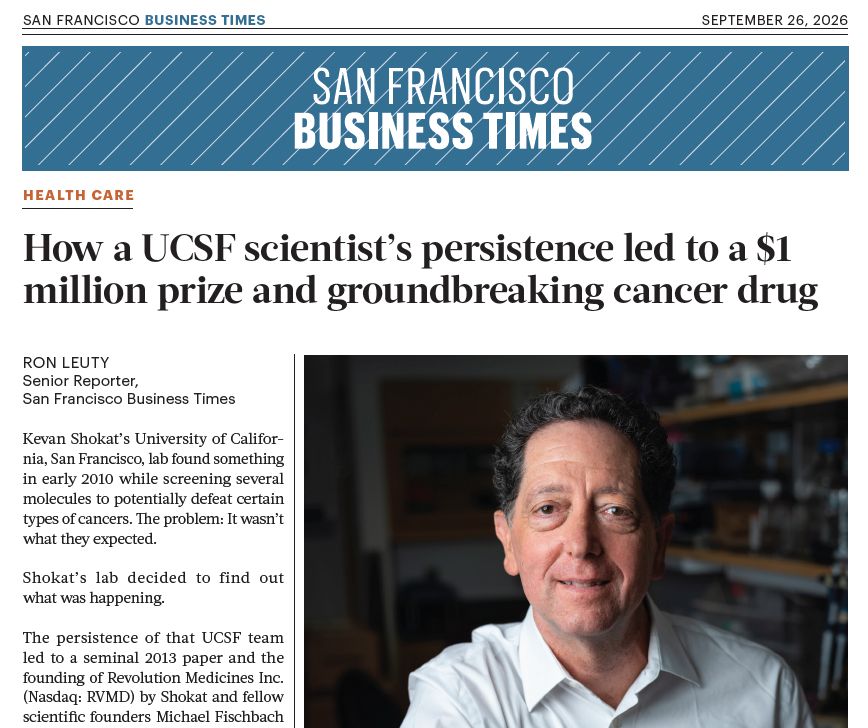
SAN DIEGO, CA, September 26, 2026 — Kevan M. Shokat, PhD has been named the 2026 Stephenson Global Prize Laureate, receiving $1 million for his pioneering contributions to pancreatic cancer research. His discoveries helped transform decades of scientific thinking about KRAS, one of cancer’s most important and historically difficult-to-target drivers, and usher in a new generation of RAS-targeted therapies. The Stephenson Global Prize is a $1 million award presented to visionary scientific leaders whose body of work has fundamentally changed the trajectory of pancreatic cancer research.
This recognition follows the FDA approved daraxonrasib (Rasonque), developed by Revolution Medicines, for adults with metastatic pancreatic adenocarcinoma. The drug traces its scientific roots to Shokat’s laboratory. In 2013, Shokat discovered a previously hidden pocket on the surface of the mutated RAS protein, proving for the first time that a target long dismissed as “undruggable” could in fact be bound and disabled by a small molecule. This breakthrough motivated Revolution Medicines, a company Shokat co-founded, and its RAS(ON) platform, which was ultimately engineered into daraxonrasib. It is the first broad RAS-targeted medicine approved for metastatic pancreatic cancer and a major milestone in a scientific journey that once seemed impossible. In the pivotal clinical trial supporting its approval, this new drug improved median overall survival to 13.2 months compared with 6.7 months with standard chemotherapy, providing a new treatment option for patients with one of the most difficult-to-treat cancers.
“This is exactly why we created the Stephenson Global Prize,” said A. Emmet Stephenson Jr., Co–Founder of the Stephenson Global Pancreatic Cancer Research Institute (SGPCRI). “Dr. Shokat took on a challenge many believed could not be solved and proved otherwise. To see his discovery help pave the way for new treatments that can extend lives is the kind of impact we want to accelerate.”
“Dr. Shokat’s perseverance helped overcome a very difficult obstacle in pancreatic cancer treatment. Watching a breakthrough of this scale become a therapy for patients in our lifetime gives us confidence in the power of scientific research,” said Tessa Stephenson Brand, Co-Founder of SGPCRI.
KRAS mutations drive more than 90% of pancreatic cancers, yet for decades the protein was considered elusive. Years ago, Dr. Shokat and his laboratory challenged that assumption by discovering a previously hidden pocket on KRAS and demonstrating that small molecules could bind directly to the protein. The breakthrough provided critical proof that KRAS could be therapeutically targeted and reinvigorated efforts to develop drugs against RAS-driven cancers. Shokat later became an academic co-founder and scientific adviser to Revolution Medicines, whose work ultimately led to daraxonrasib.
“I am deeply honored to receive the Stephenson Global Prize,” said Shokat. “We had just seen clinical results in pancreatic cancer that surpassed what many of us thought possible. When the science translates into meaningful results for patients, you feel like you have traction. I am more optimistic than ever about what comes next and am deeply grateful for this extraordinary recognition.”
Shokat’s contributions have also been recognized by the broader cancer research community. In 2023, he was elected a Fellow of the AACR Academy (FAACR) in recognition of his revolutionary discoveries in chemical genetics, including pioneering work to develop covalent inhibitors capable of therapeutically targeting KRAS G12C.
“Dr. Shokat’s groundbreaking research exemplifies how fundamental science can redefine cancer medicine,” said Margaret Foti, PhD, MD (hc), Chief Executive Officer of the American Association for Cancer Research (AACR). “As a Fellow of the AACR Academy, he is among an extraordinary group of scientists whose discoveries have fundamentally advanced our understanding and treatment of cancer. His pioneering work targeting KRAS helped catalyze an entirely new area of cancer drug development and has contributed to extraordinary momentum in the pursuit of therapies for RAS-driven cancers. AACR is delighted to join SGPCRI in recognizing his remarkable contributions and the profound impact that innovative cancer research can have on patients.”
Shokat is the second recipient of the Stephenson Global Prize, following Frank McCormick, PhD, FRS, FAACR, the inaugural 2025 laureate. Together, these first two laureates tell an extraordinary story of scientific progress. McCormick’s work helped establish KRAS as a central driver of cancer, and he encouraged Shokat to tackle the longstanding challenge of directly targeting the protein. Shokat was selected from a distinguished pool of nominees put forward by leading cancer centers and research institutions worldwide, with the expert recommendation guided by SGPCRI’s Scientific Advisory Board.
“Kevan Shokat has fundamentally changed the trajectory of KRAS research,” said Daniel D. Von Hoff, MD, FAACR, Chair of the SGPCRI Scientific Advisory Board and a distinguished professor of clinical genomics and therapeutics research at the Translational Genomics Research Institute (TGen), which is part of the City of Hope network. “There was a time when many of us believed that directly targeting KRAS might never be achievable. Kevan provided the proof that it could be done, and this discovery energized an entire field. To now see RAS-targeted therapy producing meaningful survival improvements in patients with metastatic pancreatic cancer is an extraordinary scientific accomplishment, and an indication that we are entering a very different and exciting era for this disease.”
Despite being the third leading cause of cancer-related death in the U.S. and carrying a five-year survival rate of just 13%, pancreatic cancer has long received disproportionately low levels of federal research funding relative to its mortality burden. With federal support for cancer research facing continued uncertainty, philanthropic investment has become an essential engine for the high-risk, high-reward science needed to change outcomes for patients.
“This story captures exactly why we do this work,” said Jennifer Chun Kim, Executive Director of SGPCRI. “Dr. McCormick’s early insights and Dr. Shokat’s determination to overcome one of the field’s most persistent scientific challenges are now reaching patients through an FDA-approved therapy. That is the kind of transformative progress the Stephenson Global Prize was created to recognize and accelerate, and it strengthens our resolve to keep investing in the most ambitious ideas in this complex field.”
Shokat will be honored during a dedicated Stephenson Global Prize Ceremony at the AACR Advances in Pancreatic Cancer Research Special Conference, being held September 25–28, 2026, in San Diego. The meeting brings together world leaders from academia, medicine, industry and patient advocacy to highlight the advances that are shaping the future of pancreatic cancer research.
The Stephenson Global Pancreatic Cancer Research Institute (SGPCRI) is dedicated to transforming the future of pancreatic cancer research through innovation, global collaboration and strategic funding. Established through a $150 million gift from philanthropists A. Emmet Stephenson Jr. and Tessa Stephenson Brand, in partnership with City of Hope, SGPCRI is committed to advancing early detection, pioneering treatments and high-impact research to improve patient outcomes. Working with leading scientists, clinicians and institutions worldwide, SGPCRI fosters collaboration to accelerate breakthroughs against one of the world’s most challenging cancers.
For more information, visit SGPCRI.global or follow SGPCRI on LinkedIn and X.
Media Contact:
Jessica Forres
jessica@ekkopr.com
202-716-8320
By: SGPCRI
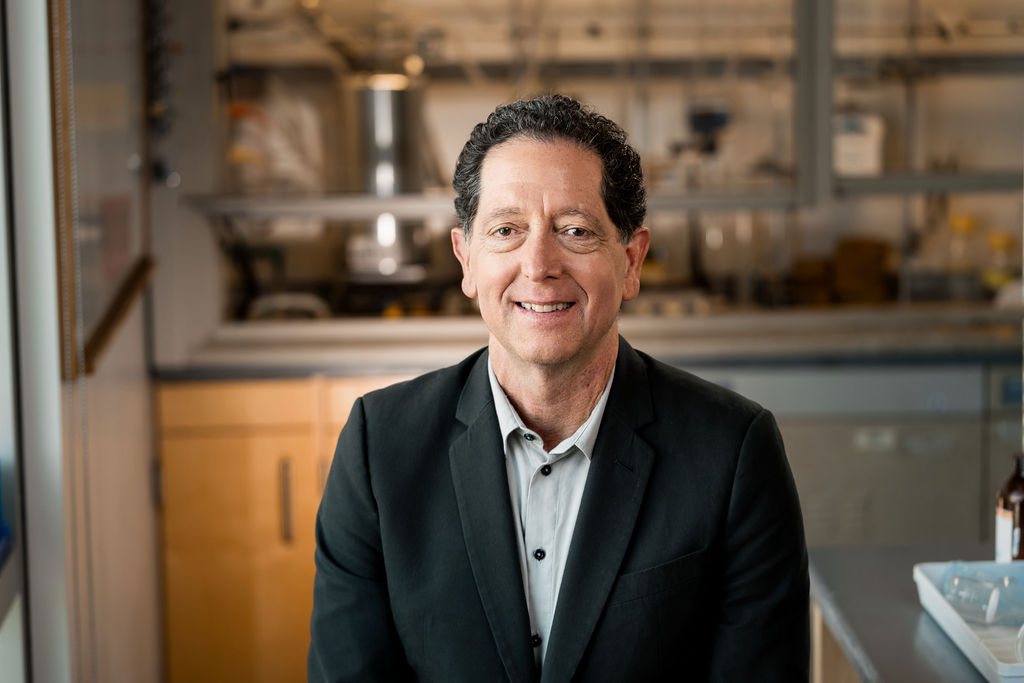
SAN DIEGO, CA, September 26, 2026 — Kevan M. Shokat, PhD has been named the 2026 Stephenson Global Prize Laureate, receiving $1 million for his pioneering contributions to pancreatic cancer research. His discoveries helped transform decades of scientific thinking about KRAS, one of cancer’s most important and historically difficult-to-target drivers, and usher in a new generation of RAS-targeted therapies. The Stephenson Global Prize is a $1 million award presented to visionary scientific leaders whose body of work has fundamentally changed the trajectory of pancreatic cancer research.
This recognition follows the FDA approved daraxonrasib (Rasonque), developed by Revolution Medicines, for adults with metastatic pancreatic adenocarcinoma. The drug traces its scientific roots to Shokat’s laboratory. In 2013, Shokat discovered a previously hidden pocket on the surface of the mutated RAS protein, proving for the first time that a target long dismissed as “undruggable” could in fact be bound and disabled by a small molecule. This breakthrough motivated Revolution Medicines, a company Shokat co-founded, and its RAS(ON) platform, which was ultimately engineered into daraxonrasib. It is the first broad RAS-targeted medicine approved for metastatic pancreatic cancer and a major milestone in a scientific journey that once seemed impossible. In the pivotal clinical trial supporting its approval, this new drug improved median overall survival to 13.2 months compared with 6.7 months with standard chemotherapy, providing a new treatment option for patients with one of the most difficult-to-treat cancers.
“This is exactly why we created the Stephenson Global Prize,” said A. Emmet Stephenson Jr., Co–Founder of the Stephenson Global Pancreatic Cancer Research Institute (SGPCRI). “Dr. Shokat took on a challenge many believed could not be solved and proved otherwise. To see his discovery help pave the way for new treatments that can extend lives is the kind of impact we want to accelerate.”
“Dr. Shokat’s perseverance helped overcome a very difficult obstacle in pancreatic cancer treatment. Watching a breakthrough of this scale become a therapy for patients in our lifetime gives us confidence in the power of scientific research,” said Tessa Stephenson Brand, Co-Founder of SGPCRI.
KRAS mutations drive more than 90% of pancreatic cancers, yet for decades the protein was considered elusive. Years ago, Dr. Shokat and his laboratory challenged that assumption by discovering a previously hidden pocket on KRAS and demonstrating that small molecules could bind directly to the protein. The breakthrough provided critical proof that KRAS could be therapeutically targeted and reinvigorated efforts to develop drugs against RAS-driven cancers. Shokat later became an academic co-founder and scientific adviser to Revolution Medicines, whose work ultimately led to daraxonrasib.
“I am deeply honored to receive the Stephenson Global Prize,” said Shokat. “We had just seen clinical results in pancreatic cancer that surpassed what many of us thought possible. When the science translates into meaningful results for patients, you feel like you have traction. I am more optimistic than ever about what comes next and am deeply grateful for this extraordinary recognition.”
Shokat’s contributions have also been recognized by the broader cancer research community. In 2023, he was elected a Fellow of the AACR Academy (FAACR) in recognition of his revolutionary discoveries in chemical genetics, including pioneering work to develop covalent inhibitors capable of therapeutically targeting KRAS G12C.
“Dr. Shokat’s groundbreaking research exemplifies how fundamental science can redefine cancer medicine,” said Margaret Foti, PhD, MD (hc), Chief Executive Officer of the American Association for Cancer Research (AACR). “As a Fellow of the AACR Academy, he is among an extraordinary group of scientists whose discoveries have fundamentally advanced our understanding and treatment of cancer. His pioneering work targeting KRAS helped catalyze an entirely new area of cancer drug development and has contributed to extraordinary momentum in the pursuit of therapies for RAS-driven cancers. AACR is delighted to join SGPCRI in recognizing his remarkable contributions and the profound impact that innovative cancer research can have on patients.”
Shokat is the second recipient of the Stephenson Global Prize, following Frank McCormick, PhD, FRS, FAACR, the inaugural 2025 laureate. Together, these first two laureates tell an extraordinary story of scientific progress. McCormick’s work helped establish KRAS as a central driver of cancer, and he encouraged Shokat to tackle the longstanding challenge of directly targeting the protein. Shokat was selected from a distinguished pool of nominees put forward by leading cancer centers and research institutions worldwide, with the expert recommendation guided by SGPCRI’s Scientific Advisory Board.
“Kevan Shokat has fundamentally changed the trajectory of KRAS research,” said Daniel D. Von Hoff, MD, FAACR, Chair of the SGPCRI Scientific Advisory Board and a distinguished professor of clinical genomics and therapeutics research at the Translational Genomics Research Institute (TGen), which is part of the City of Hope network. “There was a time when many of us believed that directly targeting KRAS might never be achievable. Kevan provided the proof that it could be done, and this discovery energized an entire field. To now see RAS-targeted therapy producing meaningful survival improvements in patients with metastatic pancreatic cancer is an extraordinary scientific accomplishment, and an indication that we are entering a very different and exciting era for this disease.”
Despite being the third leading cause of cancer-related death in the U.S. and carrying a five-year survival rate of just 13%, pancreatic cancer has long received disproportionately low levels of federal research funding relative to its mortality burden. With federal support for cancer research facing continued uncertainty, philanthropic investment has become an essential engine for the high-risk, high-reward science needed to change outcomes for patients.
“This story captures exactly why we do this work,” said Jennifer Chun Kim, Executive Director of SGPCRI. “Dr. McCormick’s early insights and Dr. Shokat’s determination to overcome one of the field’s most persistent scientific challenges are now reaching patients through an FDA-approved therapy. That is the kind of transformative progress the Stephenson Global Prize was created to recognize and accelerate, and it strengthens our resolve to keep investing in the most ambitious ideas in this complex field.”
Shokat will be honored during a dedicated Stephenson Global Prize Ceremony at the AACR Advances in Pancreatic Cancer Research Special Conference, being held September 25–28, 2026, in San Diego. The meeting brings together world leaders from academia, medicine, industry and patient advocacy to highlight the advances that are shaping the future of pancreatic cancer research.
The Stephenson Global Pancreatic Cancer Research Institute (SGPCRI) is dedicated to transforming the future of pancreatic cancer research through innovation, global collaboration and strategic funding. Established through a $150 million gift from philanthropists A. Emmet Stephenson Jr. and Tessa Stephenson Brand, in partnership with City of Hope, SGPCRI is committed to advancing early detection, pioneering treatments and high-impact research to improve patient outcomes. Working with leading scientists, clinicians and institutions worldwide, SGPCRI fosters collaboration to accelerate breakthroughs against one of the world’s most challenging cancers.
For more information, visit SGPCRI.global or follow SGPCRI on LinkedIn and X.
Media Contact:
Jessica Forres
jessica@ekkopr.com
202-716-8320
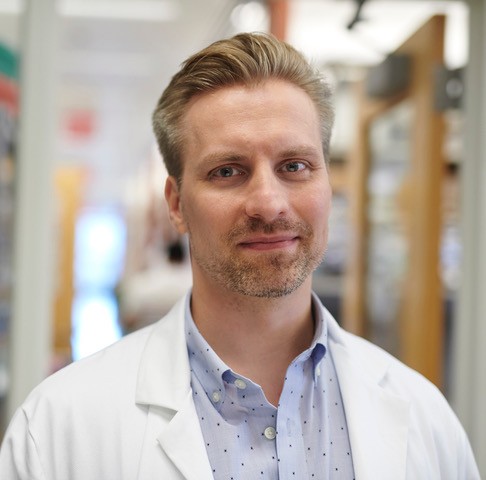
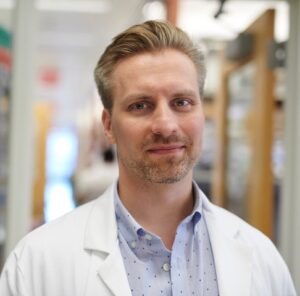
Dr. Tammela received his M.D. and Ph.D. from the University of Helsinki, Finland, where he worked in the laboratory of Dr. Kari Alitalo, studying molecular mechanisms that control blood and lymphatic vessels growth. Dr. Tammela then moved to MIT for postdoctoral training with Dr. Tyler Jacks. During this time, he became interested in cellular heterogeneity in cancer and identified cancer-derived niches as drivers of stem-like cells in lung cancer. Dr. Tammela joined the faculty at Memorial Sloan Kettering Cancer Center in 2017 and is currently an Associate Member in the Cancer Biology & Genetics Program at the Sloan Kettering Institute. The Tammela Lab studies phenotypic heterogeneity and plasticity of cancer cells within tumors using genetically engineered mouse models, single cell approaches, tracing and ablation of distinct tumor cell lineages, CRISPR-mediated gene regulation, and advanced imaging techniques. The overarching goal of these efforts is to discover pathways that drive distinct cellular phenotypes and to develop new therapeutic concepts aimed at reducing cellular heterogeneity in pancreatic and lung cancers. In addition, emerging efforts in the Tammela laboratory focus on how aging and other changes in organismal physiology impact cancer evolution and tissue regenerative capacity. Dr. Tammela has received scholarships from the American Cancer Society, the Josie Robertson Foundation, the Rita Allen Foundation, and the V Foundation. He is a recipient of a Mark Foundation Emerging Leader Award, an NIH-NCI R37 MERIT Award, an AACR Next Generation Transformative Research Award, the AACR Trailblazer Award, the Boyer Award for Basic Science, and the Werner Risau Prize.
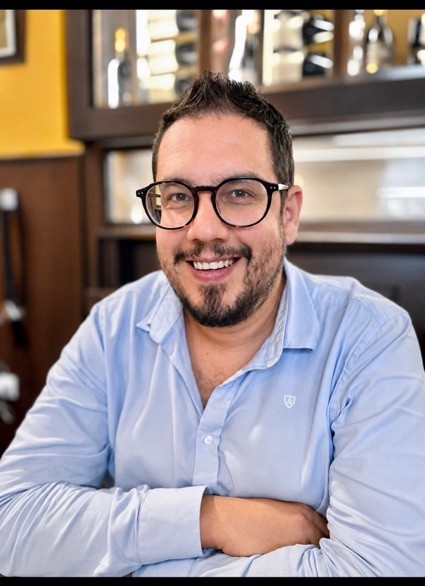
Dr. Cristian Prieto-García is a Junior Group Leader at the Instituto de Biomedicina de Sevilla (IBiS) and the Department of Cell Biology at the University of Seville. His research focuses on the therapeutic modulation of protein homeostasis to develop innovative treatments for cancer and age-related diseases. Cristian obtained his Veterinary medicine degree at the University of Cordoba and the University of Milan. During his degree he did a research internship at King’s college London, where he investigated the role of GSK-3 in craniofacial development. After the internship, Cristian studied a Master’s degree in Biochemistry, Molecular Biology and Biomedicine at the University Complutense of Madrid. He developed his Master’s thesis at the CNIO, his thesis was focused on the function of KRAS at pre-neoplastic stages of Pancreatic Cancer. Then, Cristian finished his Ph.D. at Wuerzburg University. Under the supervision of Markus Diefenbacher, he revealed that USP28 deubiquitinates and stabilizes ΔNP63 to promote Squamous tumour formation. In June 2020, Cristian joined the group of Ivan Dikic as a Postdoctoral researcher to study the role of ubiquitination in cancer using mouse model. Together with Prof. Ivan Đikić, he co-developed the concept of proteotoxic RNA splicing, first described in Science (2024), and has made key contributions to understanding how protein quality-control pathways can be therapeutically targeted. His work spans cancer biology, RNA splicing, ubiquitin signaling, and targeted protein degradation, leading to high-impact publications, a filed European patent application, and the scientific co-founding of the translational research venture SpliceTACs Bio, alongside Dr. Xinlai Cheng, Prof. Ivan Đikić, and Mr. Daniel Schäfer. His research has been recognized with several international awards, including the RMU-FFQM Award for Pharmaceutical Research & Innovative Medical Therapies and the AEK Young Investigator Cancer Award, and is supported by prestigious competitive funding, including a Ramón y Cajal fellowship.
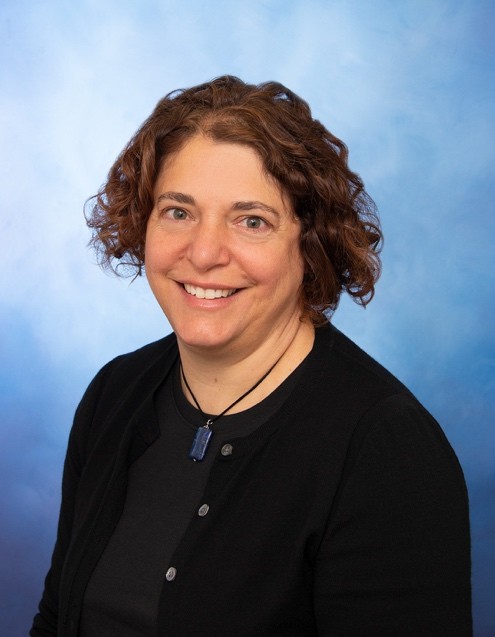

Following undergraduate education at the “Federico II” University of Naples and graduate education at the Institute for Molecular Pathology in Vienna, Austria, Dr Pasca di Magliano moved to the US to pursue postdoctoral training in the laboratory of Dr Matthias Hebrok at the University of California, San Francisco, where she studies the role of embryonic signaling pathways in pancreatic cancer. Dr Pasca di Magliano was recruited to the University of Michigan in 2008.
Her independent laboratory generated a genetically engineered mouse model where oncogenic Kras, the hallmark mutation of pancreatic cancer, could be expressed in a tissue-specific, inducible and reversible manner, the iKras model. The iKras model provided proof-of-principle of Kras dependence in advanced pancreatic cancer and revealed a non-autonomous role of oncogenic Kras in shaping the tumor microenvironment.
More recently, the Pasca di Magliano laboratory incorporated bioinformatics approaches to query the microenvironment of human pancreatic cancer samples, and published one of the early large scale single cell RNA sequencing studies on pancreatic cancer, as well as establishing a robust patient derived organoid programs. In collaboration with colleagues at the University of Michigan, her laboratory applied similar techniques to the normal pancreas, identifying widespread precursor lesions in the general population independently from age. Further, her team identified unexpected heterogeneity among precursor lesions. Her group is now investigating causes of early lesions progression to cancer, with the ultimate goal of preventing pancreatic cancer. Dr Pasca di Magliano’s work centers on collaborative team science bringing together basic scientists and clinicians, and her laboratory seeks to train the next generation of cancer researchers.
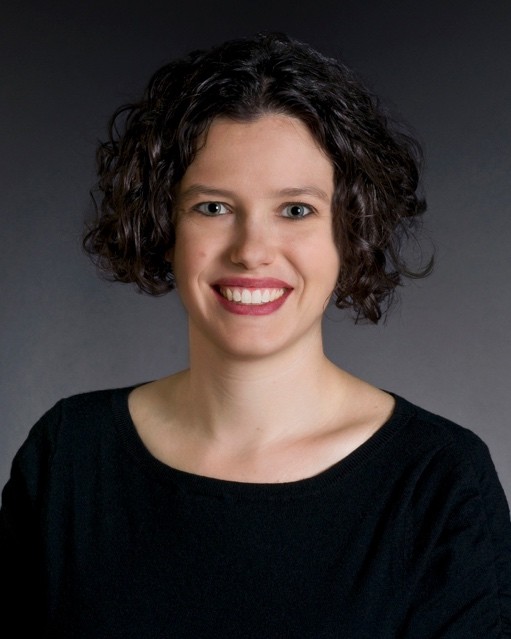

Laura D. Wood, MD, PhD is a Professor and Director of the Division of Gastrointestinal and Liver Pathology in the Department of Pathology at the Johns Hopkins University School of Medicine. She is also Co-Leader of the Cancer Invasion and Metastasis Program in the Sidney Kimmel Comprehensive Cancer Center and Deputy Director of the Sol Goldman Pancreatic Cancer Research Center. Dr. Wood received her BS in Biology from the College of William & Mary, graduating Summa Cum Laude with membership in Phi Beta Kappa. She then went on to earn both her MD and PhD from The Johns Hopkins University School of Medicine, with membership in Alpha Omega Alpha. She completed her PhD research in the laboratory of Dr. Bert Vogelstein, where she led the first whole exome sequencing studies in human cancers. Dr. Wood then went on to complete residency in Anatomic Pathology (serving as Chief Resident in her final year) and fellowship in Gastrointestinal and Liver Pathology at The Johns Hopkins Hospital. Now, she leads her own translational research laboratory focused on molecular characterization of pancreatic neoplasms. Her laboratory leverages next generation sequencing to characterize genetic heterogeneity and clonal evolution in precancerous pancreatic lesions. In addition, her group employs three-dimensional organoid culture models to interrogate the molecular drivers of pancreatic cancer invasion, and they are developing tools to transform human pancreatic pathology from two to three dimensions. In addition to her research program, Dr. Wood signs out clinical specimens on the Gastrointestinal Pathology service.
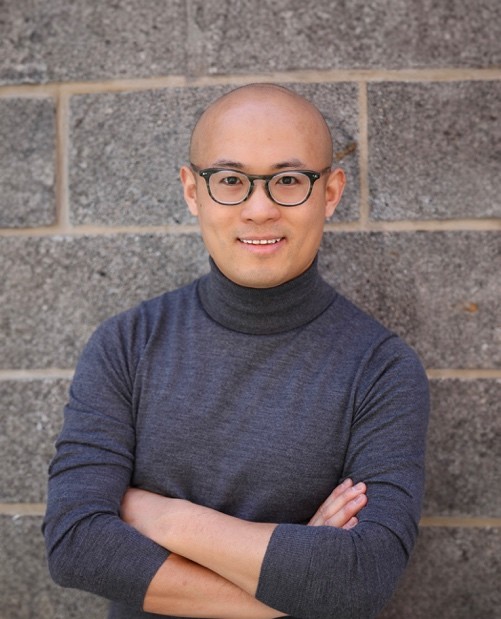
Dr. Ma is currently an assistant professor in the Department of Pathology and Laboratory Medicine at UPenn and CHOP, focusing on immune engineering and immunotherapy of cancer. Dr. Ma developed the first-of-its-kind synthetic booster vaccine to enhance CAR T cell therapy for solid tumors. Dr. Ma has received several prestigious awards, including the NIAID New Innovators Award (DP2), the Distinguished Scientist Award from the Sontag Foundation, the Ivy Foundation Translational Adult Glioma Grant Award, the MRA Young Investigator Award, Tina’s Wish Team Science Award, and R01s.
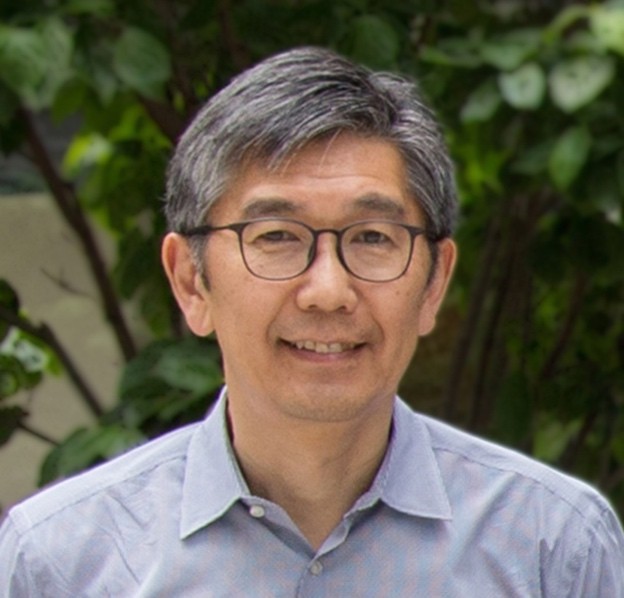
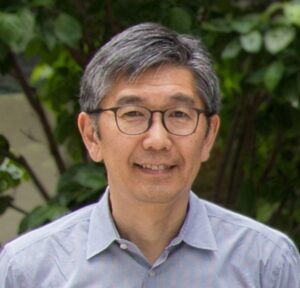
Shohei Koide, Ph.D. is Professor of Biochemistry and Molecular Pharmacology at NYU Grossman School of Medicine, and Director of Cancer Biologics at Perlmutter Cancer Center at NYU Langone Health. His expertise includes protein engineering and design, drug discovery, mechanistic biochemistry and cell signaling. He applies biotechnology innovations to developing novel biologic therapeutics. Previously, he was Professor at the University of Chicago and at University of Rochester School of Medicine and Dentistry. He is an elected fellow of the American Association for the Advancement of Science and of the National Academy of Inventors.

Witkiewicz, MD is Director of the Advanced Tissue Imaging Resource and a physician-scientist at Roswell Park Comprehensive Cancer Center. Her work focuses on defining the molecular and cellular mechanisms that drive pancreatic cancer development, progression, and therapeutic response. Dr. Witkiewicz has been a leader in the development and characterization of patient-derived pancreatic cancer models and has extensively studied KRAS-driven disease, tumor heterogeneity, and interactions between cancer cells and the tumor microenvironment. Through close integration of pathology, genomics, and translational science, her research seeks to identify biomarkers of response and develop more effective treatment strategies for patients with pancreatic cancer.