Erik S. Knudsen, PhD
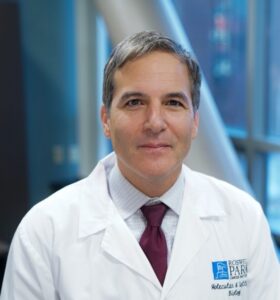

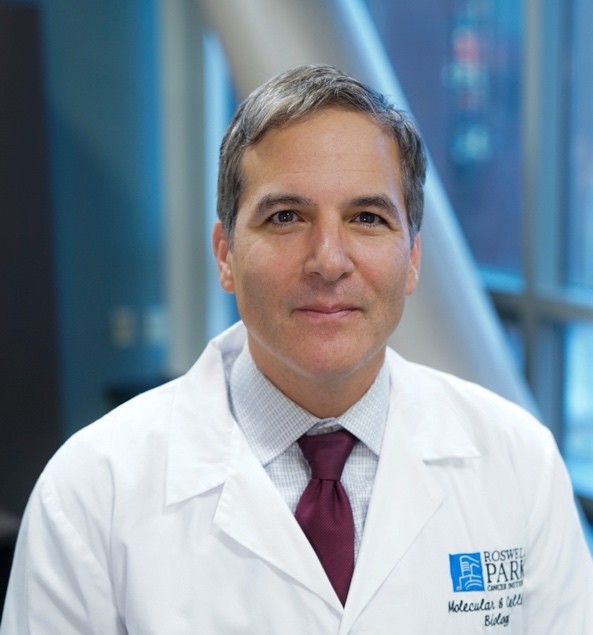
Erik S. Knudsen, PhD is Associate Director for Basic Science Research at Roswell Park Comprehensive Cancer Center. Dr. Knudsen is a cancer biologist whose research focuses on cell cycle control, therapeutic response, and mechanisms of drug resistance in cancer. In pancreatic cancer, his laboratory has lead studies examining how the cell cycle can be targeted to reprogram the tumor and limit the evolution of therapy resistance.
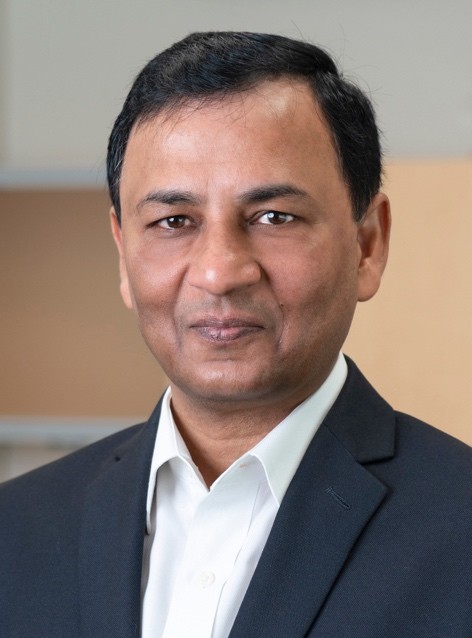

Ajay Goel, Ph.D., AGAF, is the Founding Chair of the Department of Molecular Diagnostics and Experimental Therapeutics, Founding Director of Biotech Innovations at City of Hope’s Beckman Research Institute, and Associate Director of Basic Science for the Comprehensive Cancer Center. An internationally recognized leader in cancer diagnostics and precision oncology, his research is dedicated to developing noninvasive blood-based technologies for the early detection of gastrointestinal and other cancers, while advancing genomic-driven approaches to precision medicine. Dr. Goel has authored more than 450 peer-reviewed publications, holds over 50 international patents, and is committed to translating scientific discoveries into innovative diagnostics and therapies that improve cancer prevention, early detection, and patient outcomes.


William Freed-Pastor, MD, PhD, is a medical oncologist and physician-scientist at Dana-Farber Cancer Institute, specializing in gastrointestinal oncology and immuno-oncology. He is an investigator within the Division of Molecular and Cellular Oncology and the Hale Family Center for Pancreatic Cancer Research. He is an Assistant Professor of Medicine at Harvard Medical School and Associate Member at the Broad Institute. Through sophisticated preclinical and patient-derived models, CRISPR-based in vivo genetic engineering, T-cell receptor discovery, and empirical antigen discovery, the Freed-Pastor laboratory is focused on dissecting the mechanisms of immune escape and tumor-immune crosstalk in pancreatic cancer, with the overarching goal of using these insights to guide therapeutic advances for cancer patients.
Dr. Freed-Pastor has been a Young Investigator on the Stand Up To Cancer (SU2C)-Lustgarten Foundation Pancreatic Cancer Interception Dream Team and he was awarded the SU2C Golden Arrow Early Career Scientist Award, Burroughs Wellcome Career Award for Medical Scientists, SU2C Sharp Award, ASCO Young Investigator Award, PanCAN Career Development Award, SU2C Nina Nicolai Innovation in Collaboration Award, V Foundation Translational Award, Yosemite-American Cancer Society Award, an ASCI Young Physician-Scientist Award, and an AACR NextGen Star Award. Dr. Freed-Pastor is a member of a CRUK/NCI Cancer Grand Challenges team (Team ILLUMINE) to uncover the mechanistic basis underlying translation of the Cancer Dark Proteome and to develop immune-based therapeutic strategies for cancer patients.


Jenn Abelin is part of the Platform Innovation Labs at the Broad Institute of MIT and Harvard and an affiliated researcher of the Dana-Farber Cancer Institute’s Translational Immunogenomics Lab (TIGL). Jenn leads a multi-disciplinary team of researchers who develop and apply mass spectrometry-based immunopeptidomics methods to identify peptides displayed to T cells by HLA-I and HLA-II cell surface molecules. These methods enable a deeper understanding of antigen processing and presentation and allow the direct identification of disease-specific HLA-I and HLA-II bound peptides including peptides derived from the Dark Proteome that could be therapeutic targets for cancer or infectious diseases. Jenn holds a doctorate in chemistry from the University of Virginia, completed postdoctoral training at the Broad Institute, and has held leadership roles in both academia and industry.

By: SGPCRI
LOS ANGELES, August 26, 2026 — The FDA today approved daraxonrasib, the first-in-class targeted therapy for metastatic pancreatic cancer, marking a major advance against a disease that has historically had few effective treatment options. In a Phase 3 trial, the drug nearly doubled median overall survival in previously treated patients, from 6.7 months to 13.2 months.
This approval offers a powerful reminder that scientific breakthroughs rarely happen on a predictable timeline. Daraxonrasib builds on decades of research into RAS, once considered virtually impossible to target, and underscores why sustained investment in ambitious science matters long before there is a clear path to a new therapy.
Stephenson Global Pancreatic Cancer Research Institute (SGPCRI) was established following a $150 million philanthropic commitment from A. Emmet Stephenson Jr. and Tessa Stephenson Brand to accelerate pancreatic cancer research. The Institute is backing scientists willing to pursue bold ideas, including through its Scholar Grants and its annual $1 million Stephenson Global Prize. Its inaugural prize was awarded to pioneering RAS researcher Dr. Frank McCormick.
In response to today’s approval, Stephenson and SGPCRI leaders issued the following statements:
A. Emmet Stephenson Jr. and Tessa Stephenson Brand, Co-Founders, SGPCRI:
“Today’s FDA approval of daraxonrasib is a historic milestone for the pancreatic cancer community and a powerful reminder of what is possible when visionary science is pursued with urgency and perseverance. For patients and families who have waited far too long for better options, this first-in-class targeted therapy brings meaningful new hope. We celebrate the scientists, clinicians, patients and families who made this achievement possible, and we remain deeply committed to accelerating the next generation of discoveries that will transform outcomes for pancreatic cancer.”
Jennifer Chun Kim, Executive Director, SGPCRI:
“Daraxonrasib did not happen overnight. It is the result of decades of courageous research, sustained investment and scientists who refused to accept that RAS was undruggable. I feel incredibly blessed to witness this breakthrough in my lifetime and to see new hope being given to patients and families. This approval shows exactly why we must invest more urgently in pancreatic cancer research: scientific discoveries lead to new therapies, and new therapies give patients more time. We must build on this momentum and ensure that the next breakthrough reaches patients even faster.”
For more information, visit SGPCRI.global or follow SGPCRI on LinkedIn and X.
Media Contact:
Jessica Forres
jessica@ekkopr.com
202-716-8320

By: SGPCRI
LOS ANGELES, August 3, 2026 — The Stephenson Global Pancreatic Cancer Research Institute (SGPCRI) today announced the recipients of the 2026 Stephenson Global Scholar Grants. In partnership with City of Hope, one of the largest and most advanced cancer research and treatment organizations in the United States, SGPCRI is awarding $6.7 million to support eight ambitious projects aimed at changing the trajectory of pancreatic cancer.
The eight funded projects span the full continuum of pancreatic cancer research, from prevention and early detection to next-generation therapies. Together, they address some of the field’s most pressing challenges, including identifying which precancerous lesions are most likely to become cancerous, developing blood-based tools for earlier detection, overcoming the immune barriers that make pancreatic tumors resistant to treatment, and preventing resistance to emerging KRAS-targeted therapies.
“Every investment we make is driven by one goal: to urgently end pancreatic cancer,” said A. Emmet Stephenson Jr., co-founder of SGPCRI. “Our mission is to identify, fund, and accelerate the most innovative research in the field, wherever it exists. By empowering exceptional scientists to pursue transformative ideas, we hope to speed the discoveries that will prevent pancreatic cancer, detect it earlier, and deliver more effective treatments to patients worldwide.”
The Stephenson Scientific Advisory Board noted that these projects stood out for their scientific rigor, originality, and potential to redefine how we prevent, detect, and treat pancreatic cancer. Together, they reflect the innovative thinking needed to make meaningful progress against this devastating disease.
The funded projects reflect this vision through innovative approaches with the potential to transform patient care. Investigators will develop a blood-based test to predict whether pancreatic cysts are likely to progress to cancer, identify the molecular features that distinguish high-risk pancreatic precancers, and uncover hidden tumor antigens that could become targets for vaccines and cellular therapies. Other projects will advance antibody-based immunotherapies, identify new therapeutic vulnerabilities in pancreatic cancer cells, and evaluate strategies to prevent resistance to promising KRAS-targeted therapies.
The Stephenson Global Pancreatic Cancer Research Institute was established by A. Emmet Stephenson Jr. and Tessa Stephenson Brand in honor of their beloved wife and mother, Toni Lyn Stephenson, who tragically passed away from pancreatic cancer in 2020. Inspired by her legacy, they made a transformative $150 million commitment, representing approximately two thirds of the funding currently directed toward pancreatic cancer research, to accelerate the most innovative science and empower investigators with the resources and freedom to pursue transformative discoveries without the delays and administrative burdens of traditional funding mechanisms.
“We created SGPCRI to support investigators who are willing to challenge conventional thinking and pursue ideas with the potential to fundamentally change pancreatic cancer outcomes,” said Tessa Stephenson Brand, co-founder of SGPCRI. “My mother’s story remains at the heart of this work. We never want another family to experience the heartbreak of losing someone they love to this disease. These investigators are giving us hope that one day, they won’t have to.”
“The investigators selected this year represent the next generation of pancreatic cancer research,” said Jennifer Chun Kim, executive director of SGPCRI. “As breakthroughs in KRAS targeted therapies begin to transform patient care, we have an unprecedented opportunity to build on that momentum. Ending pancreatic cancer will require a comprehensive approach that advances prevention, early detection, immunotherapy, interception, and innovative new treatment strategies alongside targeted therapies. By investing in outstanding investigators across these key areas, SGPCRI is helping accelerate the discoveries that will bring us closer to ending pancreatic cancer.”
2026 Stephenson Global Scholar Grant Recipients
Jenn Abelin, Ph.D., senior group leader of the Proteomics Platform at the Broad Institute of MIT and Harvard, and William Freed-Pastor, M.D., Ph.D., assistant professor of medicine at Harvard Medical School and physician-scientist at Dana-Farber Cancer Institute: Their work will identify hidden tumor antigens displayed by pancreatic cancer cells to advance next-generation cancer vaccines and T-cell therapies.
Ajay Goel, Ph.D., professor and founding chair of the Department of Molecular Diagnostics and Experimental Therapeutics at the Beckman Research Institute of City of Hope. His work will develop a blood-based test to identify pancreatic cysts at highest risk of progressing to cancer.
Erik S. Knudsen, Ph.D., professor of oncology, senior vice president, associate director of basic science research, and chair of the Department of Molecular and Cellular Biology at Roswell Park Comprehensive Cancer Center, and Agnieszka K. Witkiewicz, M.D., professor of oncology and director of the Advanced Tissue Imaging Shared Resource at Roswell Park Comprehensive Cancer Center: Their work will target key regulators of cell division to prevent and overcome resistance to RAS-targeted therapies for pancreatic cancer.
Shohei Koide, Ph.D., professor of biochemistry and molecular pharmacology and director of Cancer Biologics at NYU Grossman School of Medicine and NYU Perlmutter Cancer Center: His work will advance antibodies targeting the protein LCN2 to help immune cells infiltrate and attack pancreatic tumors.
Leyuan Ma, Ph.D., assistant professor in the Department of Pathology and Laboratory Medicine at the Perelman School of Medicine at the University of Pennsylvania and Children’s Hospital of Philadelphia: His work will engineer vaccine-boosted T cells to overcome pancreatic tumors’ immunosuppressive defenses and activate the body’s own anti-tumor immune response, with the goal of developing an off-the-shelf immunotherapy.
Marina Pasca di Magliano, Ph.D., Maud T. Lane professor of Surgery at the University of Michigan, and Laura D. Wood, M.D., Ph.D., professor of pathology, oncology, and medicine at the Johns Hopkins University School of Medicine: Their collaborative work will identify the molecular features that distinguish high-risk pancreatic precancers from those unlikely to progress, with the goal of intercepting pancreatic cancer before it develops.
Cristian Prieto-García, D.V.M., Ph.D., Ramón y Cajal group leader at the Institute of Biomedicine of Seville (IBiS) and the University of Seville, Spain: His work will evaluate next generation splicing inhibitors designed to exploit a unique vulnerability in pancreatic cancer cells, causing them to accumulate toxic proteins and die while sparing healthy cells.
Tuomas Tammela, M.D., Ph.D., associate member of the Cancer Biology and Genetics Program at the Sloan Kettering Institute, Memorial Sloan Kettering Cancer Center: His work will identify vulnerabilities in aggressive, therapy-resistant pancreatic cancer cells to uncover new strategies for overcoming drug resistance and improving long-term outcomes.
The Stephenson Global Scholar Grants are designed to support investigators at every career stage while removing traditional funding barriers that can slow innovative research. The streamlined application process asks investigators to answer two central questions: What is your most innovative and impactful idea for changing the trajectory of pancreatic cancer, and what resources are needed to make it possible?
The 2026 Stephenson Global Prize, a $1 million award honoring a scientist whose discoveries have transformed the field of pancreatic cancer, will be announced and presented live at the American Association for Cancer Research (AACR) Special Conference on Pancreatic Cancer on September 26, 2026, in San Diego, California. Click here for additional information.
For more information about the Stephenson Global Pancreatic Cancer Research Institute and the Stephenson Global Scholar Grants, visit SGPCRI.global.
About the Stephenson Global Pancreatic Cancer Research Institute The Stephenson Global Pancreatic Cancer Research Institute (SGPCRI) is dedicated to transforming the future of pancreatic cancer research through groundbreaking innovation, global collaboration and strategic funding initiatives. Established through a transformative $150 million gift from philanthropists A. Emmet Stephenson Jr. and Tessa Stephenson Brand, SGPCRI is committed to advancing early detection, pioneering treatments and high-impact research to improve patient outcomes. Working with leading scientists, clinicians and institutions worldwide, SGPCRI fosters collaboration to accelerate breakthroughs in the fight against one of the world’s most challenging cancers.
For more information, visit SGPCRI.global or follow SGPCRI on LinkedIn and X.
Media Contact:
Jessica Forres
jessica@ekkopr.com
202-716-8320